Category: Uncategorized

Email Marketing For Artists

No Comments

Email marketing can be a game changer for artists looking to build an audience, sell artwork, and keep fans engaged with their creative adventure. There’s something powerful about connecting directly with people who are genuinely excited about what you make. Since social platforms can be unpredictable and galleries have their limits, an email list gives you more control over how you share updates, launches, and stories.
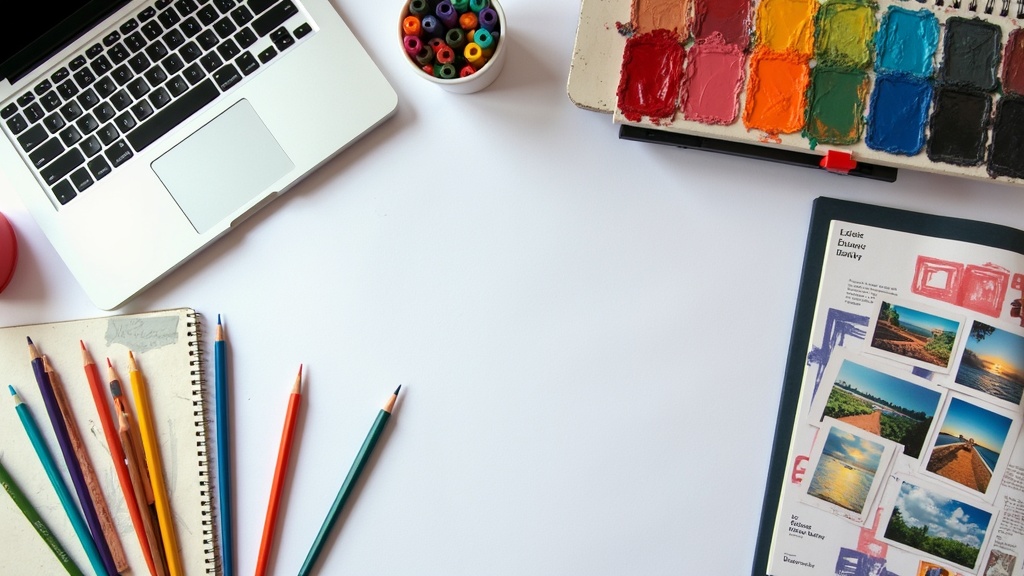
A vibrant and creative artist's workspace featuring sketchbooks, colorful art supplies, a laptop with an email marketing dashboard, and digital artwork previews.

Here’s a little transparency: My website contains affiliate links. This means if you click and make a purchase, we may receive a small commission. Don’t worry, there’s no extra cost to you. It’s a simple way you can support my mission to bring you quality content. 

Why Email Marketing Works So Well for Artists

Email stands out as one of those marketing tools that doesn’t rely on complicated algorithms. It’s actually really personal. Unlike social media posts that get buried, your emails land right in someone’s inbox. It’s much easier to build ongoing relationships, announce shows, or even sell pieces without worrying about your post disappearing in someone’s crowded feed.

In recent years, more artists have been moving their focus to direct communication with their audience. As a creative, the ability to share insights into your process and invite subscribers into your world is a unique way to step up your visibility. People love getting early access to new work or hearing about inspiration straight from you, and email is the perfect place for this kind of communication.

Plus, email newsletters tend to have higher engagement rates than most social platform posts. That can turn casual fans into devoted collectors over time.

Building Your Artist Email List from Scratch

The first step in email marketing for artists is starting your own list. If you haven’t set this up yet, it’s never too late. Even if you only have a handful of people at the beginning, a targeted list of people who truly want to follow your adventure is more effective than thousands of unfocused social media followers.

Here are some easy ways to start building your list:

  • Feature a Signup Form on Your Website: A simple form on your homepage or portfolio site makes it clear you have a newsletter worth subscribing to. Offer a sneak peek or a behind the scenes look as a thank you.
  • Collect Emails at Art Shows: Bring a tablet or notebook to events and invite visitors to join your email list for upcoming news, exclusive events, or discounts.
  • Make the Most of Social Media: Share a direct link to your signup form, and explain to your followers what extra value they’ll get from your emails, like first dibs on new art releases or studio sales.

Always ask for permission and be transparent about how you’ll use people’s email addresses. This builds trust and gives your relationship a positive start.

Don’t forget, you can also reach out to those who have purchased from you before and invite them to stay connected through your newsletter. People who’ve bought from you already are more likely to be interested in future updates.

What to Include in Your Art Newsletter

Wondering what to send? Your newsletter can be as creative as your artwork. The best emails give readers a peek into your world, update them on your latest projects, and offer something they can’t get anywhere else.

  • Studio Updates: Share photos or short stories about what’s happening in your studio. This invites your readers into the creative process.
  • New Work Announcements: Giving subscribers access to your latest pieces before anyone else feels pretty special.
  • Behind the Scenes Stories: People love seeing the rough sketches, failed attempts, and progress shots that lead to the finished piece. It’s a great way to build personal connections.
  • Upcoming Events: Announce gallery shows, online exhibitions, or art fairs where people can meet you or see your work in person.
  • Special Offers: A little thank you goes a long way. Offer exclusive discounts, early bird tickets, or downloadable art for your email subscribers.

Consistency is important. Decide how often you’ll send your emails and stick to it, whether that’s monthly, biweekly, or every time you have fresh work to share.

Quick Guide to Setting Up Your First Art Email Campaign

Getting started with email marketing doesn’t mean you need to spend a lot of time or money. Plenty of userfriendly tools make the process smooth and even a bit fun. Here’s a simple workflow that works for most artists:

  1. Choose an Email Service Provider (ESP): There are plenty of great, affordable (even free) options like Mailchimp, ConvertKit, or MailerLite. These platforms help you manage your list, design emails, and automatically follow privacy rules.
  2. Design a Welcome Email: Set up an automated message that new subscribers get right away. Share your story, what people can expect from your emails, and maybe include a small thank you download or preview.
  3. Draft Your First Campaign: Keep your design clean. Photos of your art, a couple of small stories, links to view or shop, and social media handles are a good start.
  4. Test and Send: Preview your email, check for typos, make sure all the links work, and send it to yourself first to see what your subscribers will experience. Then hit send!
  5. Check Your Results: Most email platforms show you how many people opened your message and clicked your links. See what’s working so you can adjust future emails.

These steps are easy to repeat, and over time, you’ll get a sense of what your readers like best. Remember, a little personality goes a long way to keep people reading.

Things to Watch Out for With Email Marketing

Email marketing comes with its own set of challenges, especially if you’re new to it. Here are a few things that can trip up artists, plus some easy ways to handle them:

  • Staying Consistent: Sending emails on a set schedule keeps people engaged and helps you build a habit of sharing. Try drafting a batch of emails in one sitting or jot down ideas as they come to you.
  • Writer’s Block: Not sure what to say? Keep a list of behind the scenes anecdotes, works in progress shots, or simple updates from your daily routines to pull from when inspiration is low.
  • Staying Legal: Make sure you include an easy way to unsubscribe, and never add people to your list without their permission. Following privacy laws (like GDPR or CAN SPAM) builds trust and helps you avoid problems.
  • Keeping Emails Out of the Spam Folder: Avoid using too many salesy phrases in your subject line, keep your mailing list updated, and always have permission before sending messages.

Consistency is Key

One of the main challenges for artists is sticking to a regular schedule. Even sending just one email each month helps your art stay at the top of people’s minds. Many artists find that writing a few drafts ahead or batching photos helps keep things on track during busy weeks.

To help with consistency, you might want to set specific calendar reminders or dedicate a time each month just for newsletter prep. When things get busy, having a quick checklist ready can ensure you don’t skip a month unintentionally.

Respecting Subscriber Privacy

Protecting your subscribers’ information is really important. Use your email platform’s built in privacy features, double check your signup process, and keep your lists safe from sharing or public posting. If anyone ever wants off your list, make sure it’s quick and simple for them to opt out.

Trust is key. Don’t share your subscribers’ information with anyone. Make sure to only send what people have agreed to receive, and revisit privacy best practices every now and then as laws and expectations can change.

Advanced Tips for Artists Ready to Take It Up a Notch

Once you’re comfortable with the basics, you can use a few extra tricks to make your email marketing even more effective.

Segment Your List: Some fans might be interested mostly in original paintings, while others want updates on print releases or workshops. Dividing your list lets you send the most relevant content to the right people. Your email platform should help make this easy without any technical hassle.

Include Personal Stories: Adding a quick note on what inspired your latest collection or a funny studio mishap can set your emails apart from typical gallery announcements. Storytelling helps build deeper connections with your subscribers.

Invite Responses: Ask questions, invite feedback, or run a simple survey. When subscribers reply, it signals email platforms that your messages should stay out of spam, and you get useful feedback straight from your fans. You can use these answers to tailor future emails and personalize your messages even more.

Showcase Customer Photos: If collectors share photos of your work in their homes, include them (with permission). This adds social proof and encourages others to share their own finds. Sharing these stories can also inspire other readers to imagine your art in their own spaces.

Analyze Your Performance: Check which type of content gets the most clicks or replies. Over time, tracking engagement and open rates will help you refine your approach. Remember to keep evolving your newsletter based on what’s working best with your audience.

Tools and Resources Every Artist Should Know About

Having the right tools makes email marketing more straightforward. Here are some platforms and resources I recommend checking out:

  • Mailchimp: Popular for its free starter tier and great templates that are easy to customize.
  • ConvertKit: Popular with creators for its simple automations and clean signup forms.
  • MailerLite: Low cost and really userfriendly, plus it has nice drag and drop email designers.
  • Figma: For creating simple graphics if you want to jazz up your newsletter with custom banners or section dividers.

There’s no need to overspend here. Most of these platforms give you plenty of options for free or at a low price. Choose one you find the easiest to use and that fits the look you want for your brand.

Some additional helpful resources include YouTube tutorials for whichever ESP you choose, and online communities for artists where people share tips about email platforms. Many platforms also offer their own guides for setting up automations or beautiful templates, which can save you a lot of time as you tweak your design.

Frequently Asked Questions

Here are a few questions I often get from artists thinking about starting email marketing:

How many emails should I send each month?
Most artists find that one or two emails a month is plenty. Aim for consistency over frequency. What matters is that your audience knows what to expect from you.


Do I need a website first?
Having a website with a mailing list signup form can help, but you can start building your list using social media and email platforms even before launching your own site.


What kind of content works best for art newsletters?
Stories, new artwork reveals, and behind the scenes updates get the most engagement. People follow artists for inspiration and personal connection, so sharing a bit of your personality really helps.


How do I keep subscribers interested over time?
Mix things up by sharing process stories, collector highlights, sneak previews, and personal milestones. Don’t be afraid to experiment with new types of content now and then to see what sparks the most enthusiasm.

Wrapping Up: Email Marketing for Artists

Building an art career is about more than creating beautiful work. It’s about building connections. Email marketing gives you a reliable, personal way to invite people into your creative world, turn passersby into collectors, and grow a community around your unique style. Start simple, keep it personal, and watch your audience grow one email at a time. There’s no need to overthink it—just let your passion and personality shine through every message you send.

https://a25c9zqawjfgjwh8x9yyy8jofd.hop.clickbank.net/?&traffic_source=5methods&creative=blog
Categories: Uncategorized

Sculpture Can Mean Anything

No Comments

Sculpture has always pushed the limits of what art can be. It’s a practice full of possibilities and bold interpretations.

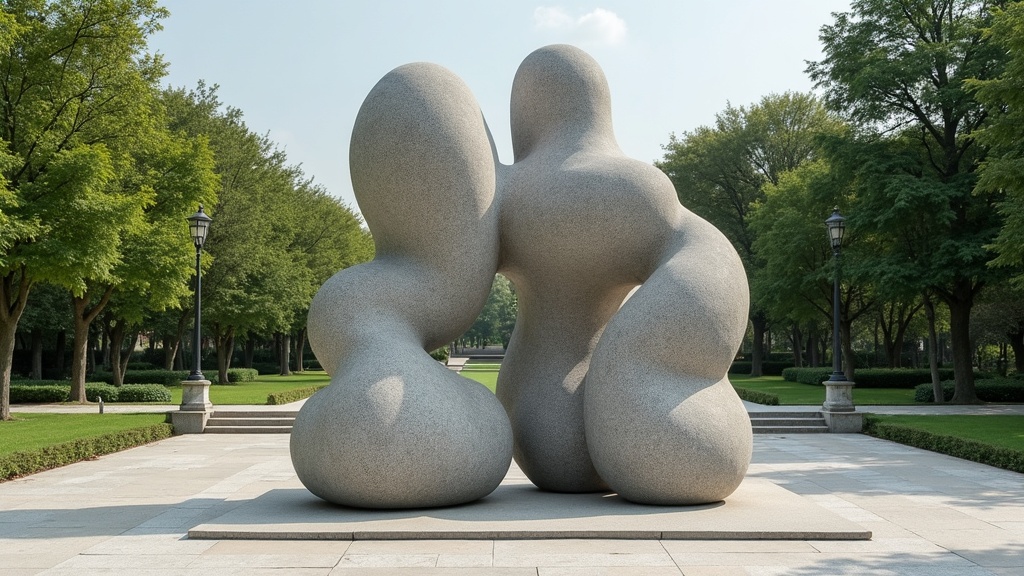
Abstract stone sculpture in a public park

Here’s a little transparency: My website contains affiliate links. This means if you click and make a purchase, we may receive a small commission. Don’t worry, there’s no extra cost to you. It’s a simple way you can support my mission to bring you quality content.


Q1: What does sculpture mean today?

These days, sculpture isn’t just traditional statues carved from marble or bronze. It now includes everything from mixed media installations and found object art to digital and outdoor work. If it takes up space or plays with form, most artists and viewers are happy to call it sculpture. More recently, people have tracked down sculpture in unexpected places—parks, shopping centers, or even the virtual world. The popular definition of sculpture keeps changing as artists jump into new materials and tech. As a result, the art scene always seems to be stepping up its game and showing off next-level cool sculpture ideas that turn heads and spark conversations.


Q2: Can sculpture exist without physical material?

Absolutely. Some contemporary artists work with ideas, light, or sound, and the result is just as much a sculpture as a marble bust. For example, a light installation that changes a room’s mood can fit right into a modern sculpture exhibit. Even completely digital pieces, like interactive 3D environments, set free the possibilities of sculptural thinking by breaking away from the usual materials and forms.


Q3: How can everyday objects become sculpture?

Everyday items, like chairs, shoes, or even kitchen utensils, can be arranged or combined in surprising ways. When you stack, bend, or transform them, they invite new thoughts. Artists have even used junkyard scraps to make something that feels fresh and powerful. These creative switches give a boost to the viewer’s imagination, making us see “ordinary” stuff in a whole new light. Sometimes, people even mirror iconic sculptures using nothing but objects from home—blending humor and eye-catching visual style along the way.


Q4: Why do people say sculpture is anything?

Sculpture doesn’t have just one definition. Artists love to stretch rules, so anything that plays with space, shape, or even a new idea can become a sculpture. There’s no single right answer, just lots of creative directions. From the studio to the sidewalk, artists keep mixing things up by playing with forms and concepts, proving sculpture can be as open or as specific as you want it to be. In the end, it’s about letting your art direction shine through and inspiring others to get involved with the world of sculpture.

Side note:

My belief is,

“As long as your actions reflect the mindset of a sculptor—shaping with intention and patience—your reality will become a sculpture of your vision. Keep refining, and you’ll align with the masterpiece you’re meant to create.”

https://amzn.to/477gOwF

Categories: Uncategorized

Ceramic Sculpture Techniques Online Course For Beginners

No Comments

Ceramic sculpture is a creative path that gives you the freedom to shape raw clay into all sorts of forms, from playful figures to modern art pieces. If you’re starting out, jumping into an online course focused on beginner ceramic sculpture techniques can fast-track your confidence and help you skip a lot of common headaches. My goal here is to break down what you’ll need to know and what to look for in your first ceramics course online, so you can turn your vision into reality (and have some fun getting your hands a little dirty).

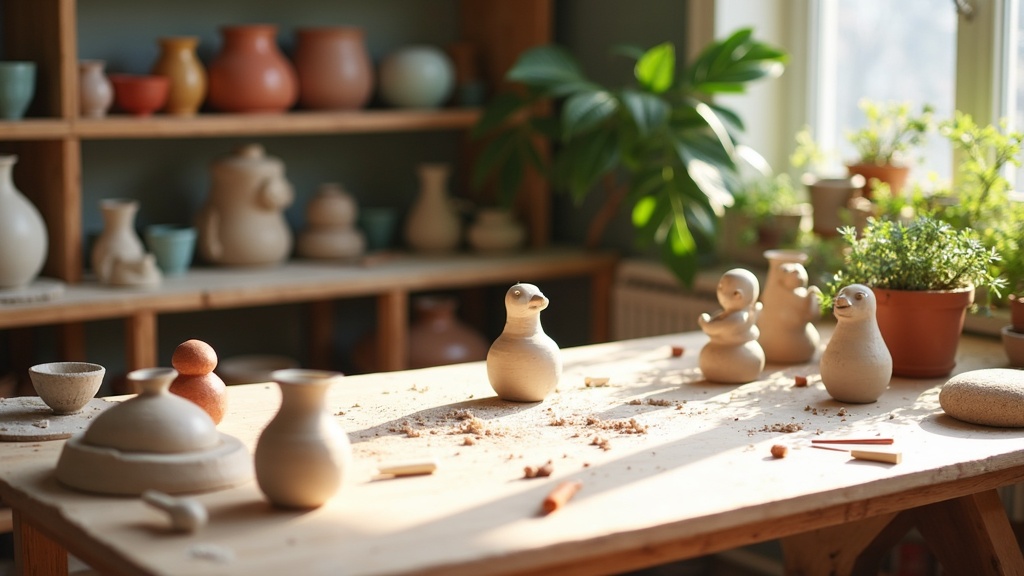
A sunlit pottery table with various ceramic sculptures, fresh clay, and sculpting tools scattered around. In the background, shelves display colorful beginner ceramic pieces with plants nearby.

Why Try an Online Ceramic Sculpture Course?

Stepping into ceramics can feel a little intimidating at first, especially without someone right there to show you how to get that slab or coil just right. Online courses now fill that gap, bringing studio-quality teaching into your home. You’ll usually find easy-to-follow video lessons, interactive feedback from instructors, and plenty of tips for sourcing your materials.

Many online ceramic classes are self-paced, so you don’t have to rush. You get to press pause, rewind, and replay as often as you need. This flexibility is super useful if you’re juggling other hobbies, work, or family life. Plus, you’ll meet a community of learners who are figuring things out along with you. Seeing other beginners share their progress is pretty motivating and gives you fresh ideas for your next project.

Some online courses also pair guides and downloadable resources with their videos. These extras can help you picture how techniques work before you try them on your own. Engaging in a course means you’ll have support and feedback even if you’re working solo at your kitchen table.

Here’s a little transparency: My website contains affiliate links. This means if you click and make a purchase, we may receive a small commissionDon’t worry, there’s no extra cost to you. It’s a simple way you can support my mission to bring you quality content.

Main Tools and Materials for Beginner Ceramic Sculptors

Good tools and the right materials can make learning ceramic sculpture smoother. If you’ve ever walked into an art supply store and felt overwhelmed by shelf after shelf of clay and sculpting gadgets, you’re not alone. Here are the basic things you’ll want to have on hand for a beginner’s online class:

  • Clay: Most beginner courses suggest starting with airdry, lowfire, or earthenware clay. These kinds are easy to handle and don’t need super high temperatures.
  • Basic Tools: A simple toolkit usually comes with a wire cutter, wooden modeling tools, a sponge, a loop tool, and some needle tools. That’s plenty to get going.
  • Work Surface: Even a sturdy table covered with canvas or an old towel is fine to start. No fancy pottery wheels required for sculpture basics.
  • Reference Images: Keeping some photos or sketches nearby really helps shape your idea before you pick up a tool.
  • Plastic for Covering: Clay dries quick, so you’ll want some plastic wrap or bags to cover your piece when you step away.

What You’ll Learn: Common Beginner Ceramic Sculpture Techniques

An online beginner course usually focuses on three main handbuilding techniques, each with its own vibe and possibilities. Here’s how they usually break down:

  • Pinching: Pinch pots are often the first thing taught. This is just what it sounds like, you shape a ball of clay by pinching it between your fingers, turning it into little pots, bowls, or even simple animal forms.
  • Coiling: Rolling the clay into long ropes (or coils) lets you build up taller, larger, or more complex shapes. You smooth the coils together with your fingers or a tool so it all sticks and looks seamless.
  • Slab Building: Slabs are flat pieces of clay rolled out using a rolling pin or a slab roller. You cut and shape these pieces like puzzle parts and join them together with a bit of water or slip to build geometric sculptures or boxes.

Most courses walk you through each technique with step-by-step demos. You’ll also get practice blending “score and slip” methods, which just means scratching the clay surface and adding gooey clay so the parts stick together.

Here is recommendations for learning to sculpt using blender

https://amzn.to/47kCMMP


How to Set Up a Small Home Workspace for Ceramics

You don’t need a fancy studio to make ceramic sculptures. Just a little planning and a couple of things will do the trick:

  • Clear a tabletop that you can keep messy for a while. Clay tools and dust can leave traces, so plan for easy cleanup.
  • Cover your table with canvas, a plastic sheet, or an old towel. This stops the clay from sticking and keeps crumbs off your furniture.
  • A bucket of water and a couple of sponges are super handy for cleaning up your hands, tools, and workspace.
  • A shelf or box keeps unfinished pieces safe, and some plastic wrap keeps your clay soft for your next session.

Lighting also matters, especially if you’ll be working in the evenings. A bright desk lamp can help you spot details and avoid mistakes as you shape and carve your pieces. Having some storage containers nearby is useful for keeping your clay moist and your tools organized. If you share your space with others, a portable setup makes it easier to clean up and store your work between sessions.

Steps To Take Before Starting Your First Online Class

  1. Check Course Reviews and Credentials: Look for courses with lots of positive student reviews, clear photos of finished projects, and experienced instructors. Some offer genuine feedback and Q&A support.
  2. Prep Your Tools and Clay: Try to order your supplies ahead so you’re ready for that first session. Many courses send out a list of what you’ll need.
  3. Review Course Structure: Good courses show the full curriculum up front, broken into manageable lessons. This helps you set time aside and track your own progress.
  4. Test Your Tech: Make sure your computer, tablet, or phone works for watching videos. A stable internet connection stops interruptions from messing with your flow.

Common Hurdles for Ceramic Beginners (and How to Handle Them)

If you’re anything like me, your first few sculptures will probably be more “charming” than “museum-worthy.” That’s part of the fun. Here are some struggles folks face, plus what’s helped me and others get through them:

  • Cracks in Clay: Clay dries at different rates, especially if it’s thick in some spots. Try wrapping your piece in plastic between sessions and let it dry slowly to help with cracks.
  • Parts Not Sticking: If pieces come apart, but you swear you pressed them together, try scoring both areas with a needle tool and using slip (watery clay) before pressing them together. This acts like glue.
  • Overworking the Clay: Messing with clay too much can make it dry out or get weak. If it gets too dry, wrap it up and let it rest with a bit of water until it’s softer.
  • Finding a Kiln: Some projects need kiln firing, but lots of online classes are built around airdry clay so you don’t need special equipment. For kiln-fired pieces, check local art centers or community colleges. Sometimes they let beginners rent kiln space for a reasonable fee.

Beginner Tips to Boost Your Ceramic Sculpture Progress

Building confidence in ceramics takes repetition and a little bit of playfulness. Here are a few quick tips I wish I’d known sooner:

  • Make Small Pieces: Small sculptures are faster to build and less likely to crack as they dry.
  • Keep Tools Clean: Wipe off your tools as you go, clay buildup can make detailed work awkward.
  • Don’t Rush Drying: Let your finished piece dry slowly, under plastic, before painting or finishing. Quick drying can mean more cracks.
  • Be Patient: Every sculptor messes up their first hand. Redoing things is part of how you learn!
  • Try Out Texture Tools: Use forks, stones, leaves, or old toothbrushes to make textures. This adds interest and personality to your pieces, even if the shape is simple.

Don’t be afraid to experiment with colors once your sculpture is dry. Watercolors, acrylics, or specialty ceramic glazes all make your project pop, even if it’s your very first try. Keep a journal of your projects—sometimes looking back shows just how much skill you’ve picked up, even if it doesn’t feel that way at first.

Popular Beginner Projects In Ceramic Sculpture Courses

Online courses for new ceramic sculptors usually include projects like:

  • Pinch pot animals. Cute and quick to finish
  • Simple coil vases or planters
  • Slabbuilt candle holders or boxes
  • Abstract sculpture. Just playing with forms and texture

These projects are great because you see instant results, which keeps you excited to improve. As you learn, instructors often show tricks for adding texture, painting, or glazing your finished sculpture to bring it to life. Trying a new project each week gives you more practice and encourages you to work through mistakes. It can also be fun to mix in some variety by attempting themed challenges, like holiday ornaments or seasonal decorations.

Frequently Asked Questions

Question: Can I really learn ceramic sculpture from an online course if I’ve never touched clay before?
Answer: Definitely. Most beginner courses assume you’re starting from square one and focus on hands-on demos, not art theory. Having videos you can replay helps you catch every step. The stepbystep guidance makes it easy to follow along, even if you’re feeling uncertain at the start.


Question: What if I don’t have a kiln?
Answer: Many beginner classes suggest airdry clay, which doesn’t need a kiln. For classic ceramics, art centers and shared studios often fire pieces for a small fee. You can also find local pottery groups where people rent kiln time or even help each other with firing tips.


Question: How messy does it get?
Answer: There will be some clay and dust to clean up, but a covered table and some sponges keep things pretty tame. Kids and pets might love the process just as much as you. Wearing an apron protects your clothes, and keeping a small broom or brush nearby makes cleanup easy.


Question: Can I use polymer clay in a sculpture course?
Answer: Some online ceramic courses include tips for customizing projects with polymer clay, which cures in a regular oven. Just doublecheck the materials list for your course to see what’s covered. Sometimes, polymer clay is great for practicing shapes or learning how to add details before working with traditional clays.


Finding Your Own Style with Practice

It’s really important to keep experimenting as you go along. A lot of beginners pick up ideas from other students in a course, watching how people finish their work or add new shapes. Don’t feel boxed in by the lesson plan. Once you’re comfortable, try your own riff on a basic idea. Ceramics is all about play, surprise, and stumbling upon what makes your hands and ideas unique. The process is rewarding on its own, and you’ll start to see your skills shape up piece by piece.

Wherever you start, a beginnerfriendly online ceramic sculpture course helps you skip a lot of frustration and gives you space to grow. With every project, you take home a bit more confidence, and a handful of cool, handmade sculptures to set around the house (or gift to friends who can’t believe you made them yourself). The bottom line is that your first step into ceramics might feel a little messy, but it’s also fun and full of learning. Over time, you’ll find your own creative groove and enjoy the satisfaction of bringing a simple lump of clay to life with your own hands.

Categories: Uncategorized

Learning 3D Modeling Techniques: Best Courses For Beginners

No Comments

Starting with 3D modelling opens up a world where your ideas can become digital realities. Whether you’re dreaming of making art, designing game assets, or creating printable objects, there’s never been a better time to start learning 3D modelling from scratch. As someone who’s spent hours tinkering with different programs, I know how overwhelming those first steps can feel. Here’s a plain-English guide to help you get going, with the best beginner courses and practical know-how I’ve picked up along the way.

Here’s a little transparency: My website contains affiliate links. This means if you click and make a purchase, we may receive a small commissionDon’t worry, there’s no extra cost to you. It’s a simple way you can support my mission to bring you quality content.

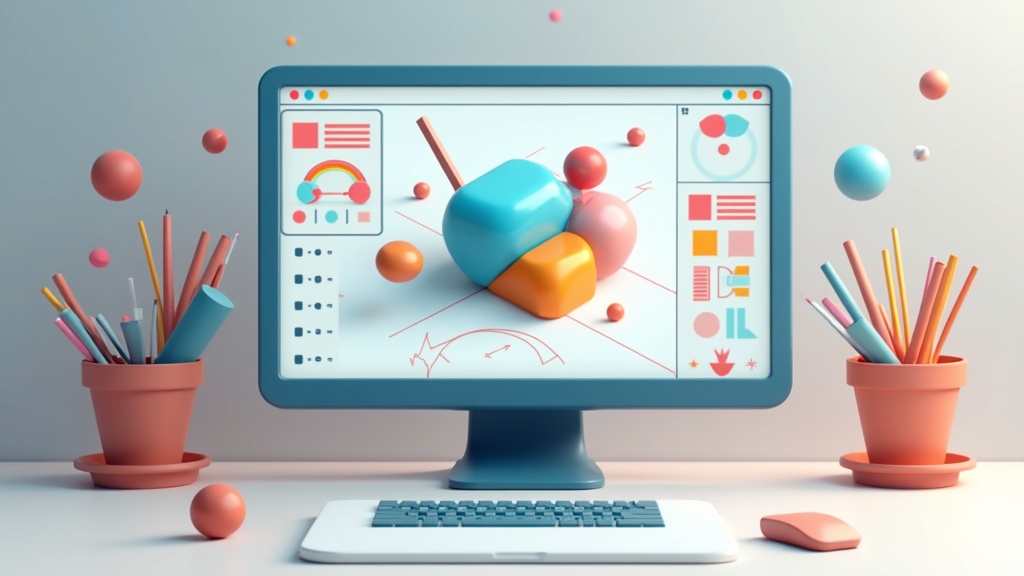
A computer screen displaying a colorful beginner-friendly 3D modeling workspace with simple geometric shapes and a toolbox

Why Learn 3D Modelling?

3D modelling is a super useful skill in today’s tech-forward world. It brings together art and engineering, shows up in everything from blockbuster movies to medical simulations, and gives you control over how things look and function. Learning to model in 3D also sets you up for bigger projects; like animation, visual effects, and even crafting things you can 3D print at home. If you’re curious, patient, and love solving visual puzzles, 3D modelling offers lots of creative fun and future job opportunities.

How to Learn 3D Modelling as a Beginner?

Figuring out where to start is a common challenge. The best approach is to pick a user-friendly program and follow a guided course that walks you through basic tools and concepts. Here’s how I suggest easing in:

  • Pick a Beginner Course: Start with a course designed for complete newbies. There’s no need to guess your way through it; good courses explain everything step by step.
  • Use Starter Projects: Practice by making simple things like mugs, boxes, or game dice. This helps you get a grip on all the basic tools.
  • Follow Along with Videos: Watching someone model in Realtime and copying their steps is super helpful, especially at first.
  • Join Online Forums: Communities like Blender Artists or Reddit’s r/3Dmodeling are filled with friendly folks happy to answer beginner questions.

Consistency matters more than perfection when starting out, so aim for regular short sessions rather than marathon weekends. Even ten to fifteen minutes a day can build up your confidence and skill set quickly. Don’t worry if your early projects look simple or a little clunky—everyone starts there, and steady progress is the real goal.

Here is recommended book that will get in depth around 3d:

https://amzn.to/4hm3NnE

What is the Best Program for Learning 3D Modelling?

The best program depends on your goals, but for most beginners, Blender stands out because it’s free, opensource, and widely used in both pro and hobbyist circles. Blender gets regular updates, has a buzzing online community, and plenty of video tutorials tailored for absolute beginners. You can download it from blender.org. Other great starter options include Tinkercad for quick printable models, SketchUp for architectural work, or Fusion 360 for engineering projects. Each program suits different interests, so try out a couple if you want to get a feel for what clicks with you.

If you’re totally new to 3D and want to see what it’s about without spending a cent, Blender Guru’s Donut Series on YouTube is an excellent way to start. For more structure and direct support, Udemy’s Complete Blender Creator is beginner friendly and well reviewed. If you lean toward 3D printing, try out Tinkercad starter projects; they guide you through everything with hands-on browser-based lessons.

other Courses for Learning 3D Modelling as a Beginner

There are tons of 3D modelling courses, but not all are meant for beginners. Here are some of the best starter courses, based on clear instruction, practical projects, and strong community feedback:

  • Introduction to 3D Modelling with Autodesk: Autodesk’s official site offers free tutorials and sample projects for both Tinkercad and Fusion 360.
  • Udemy: Complete Blender Creator: This paid course is highly organized for total beginners, teaching you modelling, texturing, and simple animation with clear, easy to follow lessons.
  • Skillshare: 3D Modelling for Beginners: The lesson structure is straightforward, making it easy to start your first projects in just a few evenings. Some classes offer free trials for new users, so you can dip your toes in risk-free.

Choosing a course depends on your learning style. YouTube is great for visual learners and won’t cost anything, but structured courses on Udemy or Skillshare help you keep on track and break the process into manageable steps.

What are the Most Important Concepts in 3D Modelling?

There are a few foundational ideas you’ll run into right away as you get into courses or tutorials. Understanding these saves you hours of confusion down the line:

  • Vertices, Edges, and Faces: These form the building blocks of every shape you make in 3D. A mesh starts as simple points (vertices), lines connecting those points (edges), and surfaces created by those lines (faces).
  • Mesh vs. NURBS: Most beginners work with mesh modelling, using tools that move, scale, and shape vertices, edges, and faces. NURBS modeling is more common in advanced industrial or automotive modeling.
  • Extrusion: This handy tool lets you pull out new shapes from an existing face, one of the quickest ways to build up complexity.
  • Modifiers: Programs like Blender offer modifiers—settings that automatically tweak geometry, like mirroring one side or adding some smoothing for a more organic feel.
  • UV Mapping: This process is about laying out a 2D image or texture on your 3D shape. It’s a must-have for colouring or adding details to your model.

Getting comfortable with these ideas early on, especially extrusion and UV mapping, makes every project go smoother as you advance.

Get comfortable with vertices, edges, and faces, learning how to use extrusion, and understanding the basics of UV mapping are super important. Knowing these basics helps you model just about anything you want.

What Are the Basics to Know Before You Start Your 3D Modelling of Any Object?

Jumping into a 3D project without a bit of preparation can quickly lead to frustration. Here are some basics I always check before starting any new model:

  • Reference Images: Track down pictures or simple sketches of what you want to model. Even basic objects have subtle details that help you stay focused and accurate.
  • Scale: Figure out how big or small your model should be, especially if you want to print it or insert it in a specific digital setting.
  • Modelling Approach: Decide if you’ll start with basic shapes and tweak them or begin with a blank cube and build from there.
  • Keep it Simple: For your first models, pick objects with simple structures and not too many fiddly parts.

Planning with these steps makes the modelling journey way less stressful. If you’re ever stuck, ask for advice on community forums—folks are usually helpful and quick to jump in with tips.

Can I Learn 3D Modelling on My Own?

Learning 3D modelling by yourself is absolutely doable. Most people in the field are self-taught, relying on free videos, community forums, and online guides. Set small, frequent goals (like crafting one new object each week) and share your progress to get helpful feedback. Treat mistakes as learning steps. You don’t need a college degree or expensive course to get skilled—the real proof is in your portfolio and your willingness to push forward and ask for advice.

Tips for Sticking With It

Staying motivated as a beginner can be tricky, especially when real life gets busy or you hit a creative block. Here are a few things that helped me stay engaged:

  • Break Down Big Projects: Don’t start off aiming for a full character or spaceship; build smaller parts, like a cup or a button, and eventually combine them.
  • Save Often: 3D software can crash unexpectedly. Get into the habit of saving your work every few minutes to avoid heartbreak.
  • Ask for Feedback: Seek tips from forums or Discord groups—outside eyes often catch things you miss.
  • Experiment: Don’t shy away from errors. Sometimes next level cool models come from happy accidents or out of the box ideas.

Building a habit of regular, bite-sized practice, sharing your creations, and letting yourself have fun even when projects aren’t “perfect” makes huge progress over time. Remember, the 3D modelling community is big and welcoming, so don’t hesitate to reach out.


Ready to Get Started?

Jumpstarting your 3D modelling adventure is all about taking small, steady steps, making simple things, and getting help when you get stuck. With excellent beginner courses and supportive communities available, you’ll be bringing your own digital creations to life before you know it. Keep experimenting, keep sharing your work, and have fun watching your skills grow!

Categories: Uncategorized